
Posts by Patrick Quirke
How do I create dashboards and custom reports in Netsuite?
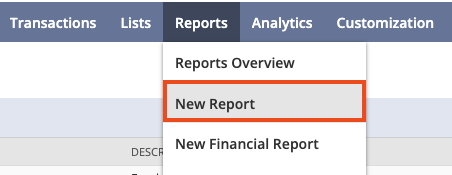
How do I create dashboards and custom reports in Netsuite? Introduction NetSuite continues to evolve as a powerful analytics platform, offering flexible, role-based dashboards and advanced reporting tools that adapt to modern business needs. Whether you’re tracking real-time KPIs, analyzing financial performance, or monitoring operational trends, NetSuite’s SuiteAnalytics capabilities enable you to build highly customizable,…
Read MoreHow do I Correct Bill Payment Applications in NetSuite?
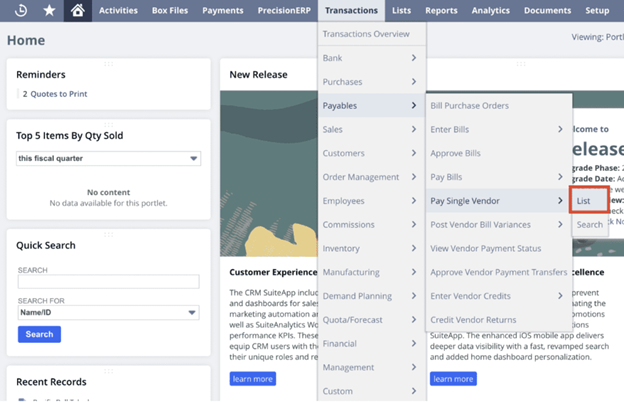
How to Correct Bill Payment Applications in NetSuite (Step-by-Step Guide) Correcting bill payment applications in NetSuite is a common task for accounting teams. Even with strong processes in place, discrepancies such as incorrect payment amounts, missing documentation, or system limitations can require manual updates. In this guide, you’ll learn how to fix bill payment applications…
Read MoreHow do I Create Calendar Offset Metrics in Pigment
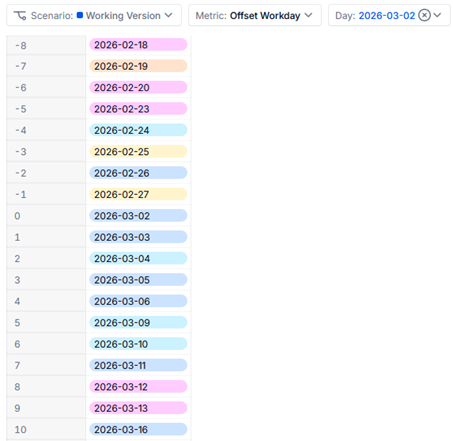
Creating Calendar Offset Metrics in Pigment When writing formulas in Pigment, there may be a need to reference a calendar item that is offset from the one being calculated. Calendar Offset metrics can be created to solve this use case. They are two dimension metrics including the calendar dimension you need an offset for, and…
Read MoreHow can I Use Workflows to Automatically Send Targeted Emails
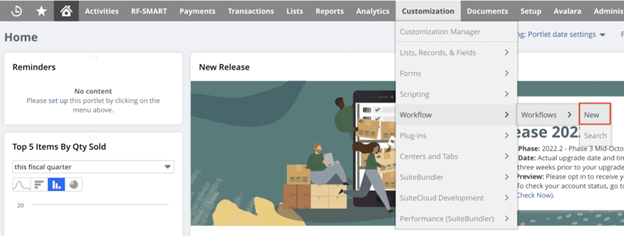
How to Use Workflows to Automatically Send Targeted Emails NetSuite offers multiple ways to streamline workflows, resolve operational pain points, and enhance system efficiency. One common challenge is notifying employees about transactions related to them. While NetSuite dashboards and portlets can display this information, workflow automation provides a more efficient solution by automatically sending targeted…
Read MoreHow do I gain immediate Insight into Key Metrics?
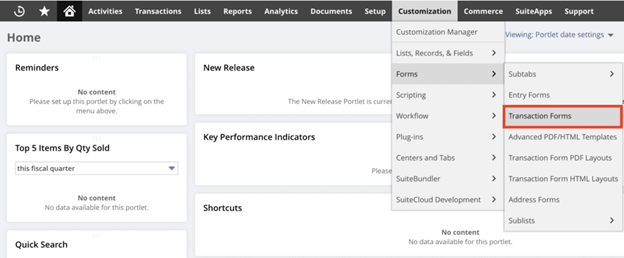
How do I gain immediate Insight into Key Metrics? NetSuite contains many different forms and tools, each designed to serve a specific purpose. However, some capabilities are not available out of the box. One common example is tracking how many times the data within a form has been revised or updated. This type of functionality…
Read MoreHow do I set up NetSuite Journal Entry Approvals?
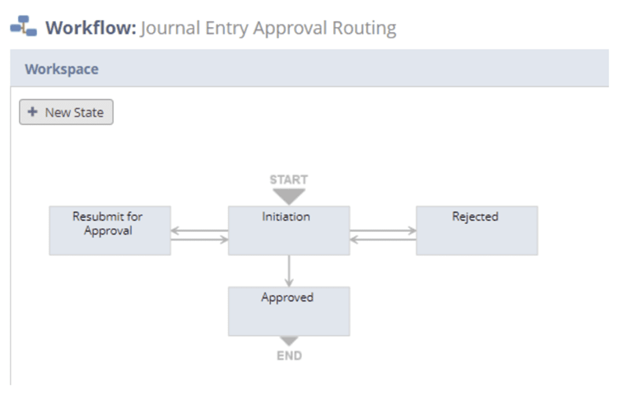
How do I set up NetSuite Journal Entry Approvals: Setup Instructions Explained Journal entries are fundamental to every accounting department. They ensure financial results are recorded accurately, completely, and on time. In NetSuite, journal entries are used to record financial adjustments across one or more accounts, capturing the fiscal impact of business transactions and enabling…
Read MoreHow Can Pigment Be Used to Track Project Run Rates and Improve Revenue Forecasting?
Project Tracking with Pigment Streamlining Project Forecasting with Run Rate Management in Pigment Effective project forecasting is crucial for revenue planning and operational efficiency. To improve the accuracy and timeliness of forecasting, a shift has been made from legacy planning tools to Pigment, a modern planning platform. This migration is specifically designed to enhance the…
Read MoreHow Does Pigment Support Workforce Planning Through Structured Metrics and Naming Standards?
How Does Pigment Support Workforce Planning Through Structured Metrics and Naming Standards? Inside a Pigment Implementation: Metrics, Naming Standards, and Workforce Planning A recent walkthrough of a completed Pigment implementation provides key insights into how this modern planning tool compares to legacy systems like Planning Analytics, and how it supports scalable, structured financial planning—particularly for…
Read MoreAutomating TM1 with R Scripting
Automating TM1 with R Scripting Exploring Automation and Load Balancing Testing with Python and TM1 When working with complex analytics systems like TM1, one of the key challenges is efficiently automating tests and managing performance in large-scale environments. This article explores how Python and TM1 Pi, a Python library for TM1, can be leveraged to…
Read MoreWhat Is TM1 Drill-Through and How Do I Set It Up?
TM1 Drill through 101 Optimizing TM1 Drill Through Functionality for Effective Data Exploration Drill through functionality in IBM Planning Analytics (TM1) is a powerful tool that enables users to access detailed, underlying data directly from summary views. When implemented thoughtfully, drill throughs can significantly enhance user understanding, reduce confusion, and support more effective planning…
Read More